
Fatehpur Sikri
Duration
Easy Book
Instant OK
24x7 Support
Call Anytime
Cash Back
Available
Overview
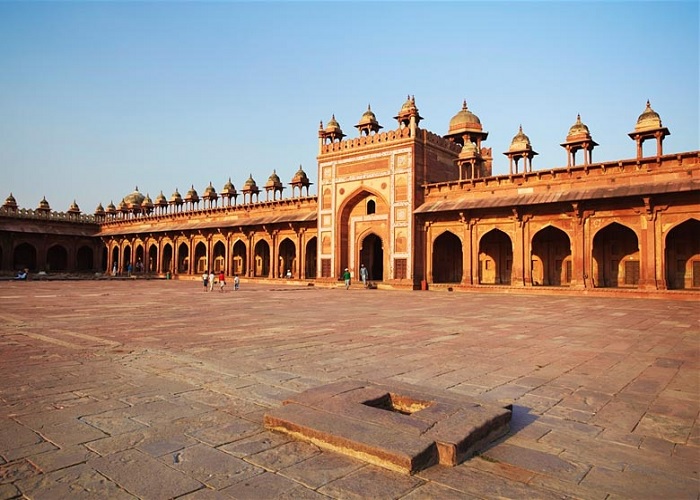
Fatehpur Sikri is a UNESCO World Heritage Site and a historic city built by the Mughal Emperor Akbar in the late 16th century. It served as the capital of the Mughal Empire for a brief period and is renowned for its well-preserved palaces, courtyards, mosques, gateways, and administrative buildings. The city reflects a remarkable blend of Persian, Islamic, and Indian architectural styles and stands as a testament to Mughal artistic and cultural achievements.
What's Inclusion
- UNESCO World Heritage Site located near Agra, Uttar Pradesh.
- Founded by Emperor Akbar in 1571 as the Mughal capital.
- Renowned for its exceptional Mughal architecture and urban planning.
- Home to important monuments such as Buland Darwaza, Jama Masjid, Panch Mahal, Diwan-i-Khas, Diwan-i-Am, and Tomb of Salim Chishti.
- Reflects a fusion of Persian, Islamic, and Indian architectural influences.
- Associated with Akbar's vision of governance, culture, and religious dialogue.
- Provides valuable insights into Mughal history, administration, and court life.
- Recognized as one of India's most significant historical and archaeological sites.
- Attracts historians, architects, researchers, and tourists from around the world.
- Unverified historical claims, myths, or legends presented as established facts.
- Unsupported theories regarding the abandonment of the city or hidden structures.
- Religious bias, offensive commentary, or culturally insensitive content.
- Politically motivated narratives unrelated to the site's historical significance.
- Speculative archaeological conclusions lacking credible evidence.
- Inaccurate information about Mughal history, architecture, or UNESCO status.
- Any misinformation that distorts the cultural, historical, or architectural importance of the site.